Events

Liverpool Pride Weekend: A First-Timer's Guide to the Best Free Events
Liverpool Pride weekend turns the city centre into one long, loud celebration, and most of the best of it costs nothing. The march, the main stage, the market stalls, the museums and the waterfront are all free to enjoy. That's also why so many first-timers drift around for three hours, miss the parade, and end up queuing for a lukewarm drink they didn't need.
This is how to plan a Pride Saturday and Sunday that actually work: where to stand, when to move, what to carry, and how to get home without a two-mile walk in the wrong shoes.
The march is the free headline act
If you do one thing all weekend, do the parade. It usually sets off late morning or early afternoon on the Saturday, and it's the part people describe to friends on Monday: floats, walking groups, drummers, banners from community groups, schools and workplaces, and a great deal of glitter.
Routes change from year to year, so check the official Pride weekend programme and social channels in the week before you travel. In recent years the procession has formed up around St George's Plateau on William Brown Street and moved down through the city centre towards the waterfront, finishing near the Pier Head. Arrive 30 to 45 minutes before the advertised start. Pavements fill fast, and marches rarely leave exactly on time.
Where to watch: five spots that work
- St George's Plateau and William Brown Street. Wide pavements, big steps and statues to lean on. Best for watching the build-up, the banners and the groups getting themselves organised. Gets busy by mid-morning.
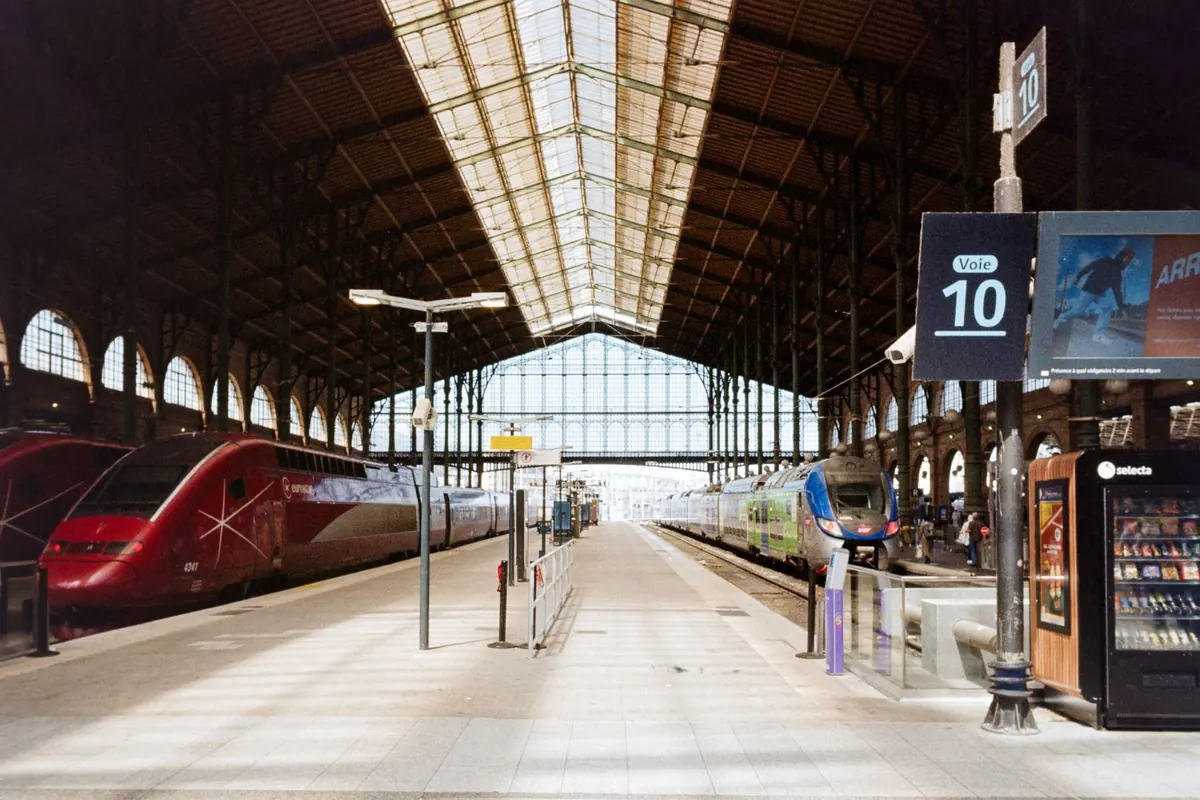
- Lime Street and St John's. Handy if you're arriving by train, and you're immediately in the middle of it. Hard to move through once the parade has started, so treat it as a place to stand, not to pass.
- Derby Square and Castle Street. Narrower streets, louder sound, and the closest view you'll get. Great for photos, less good if you're pushing a buggy.
- The Strand and Mann Island approach. Flatter, breezier, and easier to step back from when you've had enough.
- The Pier Head. Where the parade lands and the main stage sits. Brilliant atmosphere, but arrive early for a spot by the railings and expect to stay put.
One thing worth knowing: the finish line is the worst place to be if you need a quick exit. If you're with children, or you know you'll want to leave before the end, watch from the middle of the route instead. You'll still see everything and you'll be home an hour earlier.
Access, comfort and calmer viewing
If you need step-free access
Most of the city centre is level, but the plateau at St George's Hall involves slopes and steps, and the Pier Head becomes very crowded once the main stage starts. Stick to the Strand, Mann Island, Liverpool ONE and the waterfront for flatter ground. Contact the organisers before the weekend about accessible viewing areas, BSL interpretation on the main stage, Changing Places toilets and any quiet spaces. This is usually arranged in advance and it is rarely obvious on the day itself.
If you're bringing children or you find crowds difficult
Sound levels near the stage are genuinely loud, so ear defenders are worth packing for younger kids. Aim for the first few hours of the day, when the site is calmer and the toilets are still clean, then leave before the evening crowd builds. Agree a meeting point with your group before you lose signal — phone networks slow down badly in dense crowds.
Free things to do when the crowds get too much
Every year, people forget that some of the best free space in the city sits right beside the route. World Museum, the Walker Art Gallery and the Museum of Liverpool all have free entry, and so does Central Library — a genuinely useful place to sit down, charge a phone and use a proper toilet. St John's Gardens, behind St George's Hall, is a quieter spot for a sandwich and a breather.
Alongside the main stage, look out for community stalls, small fringe performances, market traders and pop-up information stands. Some venues run ticketed events in the evening, so if you want a guaranteed seat somewhere, sort that in advance. Everything outdoors during the day, though, is usually open to anyone who turns up.
What to bring
- A refillable water bottle. Shops near the route sell out, and queues are long.
- Sunscreen and a hat, plus a light waterproof. Merseyside is capable of both in one afternoon.
- A portable phone charger. Your battery will not survive a full day of photos and map-checking.
- Comfortable shoes you've already broken in. This is a standing-up weekend.
- A small bag you can keep in front of you, rather than a rucksack on your back.
- A card and a little cash. Most venues are cashless, but small stalls sometimes aren't.
- Any medication you might need, plus a note of your own arrangements if you have a health condition.
Getting there and getting home
Trains into the city centre are busy all day and busier still after the main stage finishes. Check the last services on your line before you go out, and don't assume you'll just grab a taxi at the waterfront — ranks near the Pier Head are the hardest place in Liverpool to find one on Pride weekend. Road closures follow the route, and city centre parking is limited, so public transport or a walk from the edges usually beats driving.
If you're drinking, alternate with water and eat properly; a long day on your feet in the sun catches people out every year. Stewards and first aid volunteers are on site, and if you need non-emergency health advice, 111 is the right call. Anyone managing a health condition should speak to their GP or pharmacist before a full day in the crowds.
Your first Pride, in short
- Check the route and times a few days before, not on the morning.
- Watch the march from the middle of the route, not the finish.
- Carry water, a charger and layers.
- Plan your exit before you need it.
- Remember what the weekend is for. Pride began as a protest, and the march still carries that history alongside the music.
Do those five things and your first Liverpool Pride will be a good one: free, friendly, and far less exhausting than it looks from the outside.
Photo: Surprising_Media / Pixabay