Community
Volunteering in Merseyside: Common Mistakes First-Timers Make and How to Avoid Them
Volunteering on Merseyside is easier to start than most people assume. There is a food bank in Bootle that always needs drivers, a junior football club in Knowsley short of someone to run the line, a befriending service in Birkenhead that would happily take an hour of your Thursday. Starting is rarely the problem. Staying is.
Most people who quietly stop after six weeks didn't lose interest in the cause. Something about the arrangement was wrong from the beginning, and nobody named it. These are the mistakes first-timers make most often, and what to do instead.
Overcommitting in the first fortnight
The first session is energising. You meet people who care, you see the work up close, and when someone asks if you could also help on a Thursday and a Saturday, you say yes to both. Three weeks later you're on a late shift, or the new term has started, or the tunnel fare is adding up, and you're the one letting people down.
Be deliberate about the size of your first commitment. Two hours a fortnight, repeated for three months, is worth far more to a small charity than a fortnight of enthusiasm followed by silence. Put the slot in your phone calendar and treat it as a real appointment, because the group is relying on it. And be honest about the awkward weeks. December is frantic for some organisations and dead for others. If you work shifts, study, or go away every summer, say so at the start. Nobody expects you to be available forever; they just want to plan around the truth.
Not asking what the role actually involves
"General help" is the most common phrase on volunteer adverts and the least useful one. You turn up ready to do something, and either nobody has a job for you or you're handed something you'd rather not do, like a day of cold calling when you'd pictured sorting donations.
Before your first session, ask for a plain description of a typical shift: what time it starts, what you'll be doing, who you'll be with, and what you won't be asked to do. Ask when training happens and who delivers it. If the role involves driving, cooking or handling money, ask what that looks like in practice. A group that can't tell you what you'll be doing by the second conversation is usually disorganised rather than secretive, but either way you'll be working around the gaps.
Getting safeguarding the wrong way round
If a role involves children, young people or adults at risk, expect checks, references and a proper induction. That's normal and it shouldn't be rushed. Ask who holds responsibility for safeguarding and how you would raise a concern if something worried you. Any group worth your time will have a clear answer.
The other mistake runs the opposite way. Some organisations are so keen for help that they'll put a new volunteer in front of vulnerable people with nothing more than a handshake. If nobody has mentioned checks, training or boundaries, ask directly, and stick to supervised settings until you're properly checked. Don't swap personal numbers with young people, don't offer lifts, and don't take on a caring role you haven't been trained for.
A group that is casual about safeguarding isn't friendly. It's a risk, and you shouldn't be the one carrying it. If you're unsure what a particular role requires, ask the safeguarding lead and check official guidance rather than relying on hearsay.
Footing the bill yourself
Volunteering should not cost you money. In practice it often does: tunnel fares between Liverpool and Wirral, parking, bus tickets, a cheap pair of boots for litter-picking on the shore, ingredients for a community meal. It adds up, especially on a tight budget.
Ask about expenses before you start, not after. Find out whether travel is reimbursed, how you claim, and how long it takes. If there's no policy, say plainly that you can't absorb the cost, and ask whether there's a role closer to home or a lift you could share. If you receive benefits, check how volunteering affects your situation before committing; a welfare rights adviser or the organisation itself can point you to the right information, and it isn't a silly question.
Disappearing quietly
Volunteer rotas are small. When one person doesn't turn up, someone else covers or the work simply doesn't happen. That's why reliability counts for more than hours. Leaving well matters too. If you need to stop, give a couple of weeks' notice, hand over anything you've been looking after, and thank the people who trained you. Merseyside's voluntary world is small and connected, and a good ending keeps the door open.
Questions worth asking before your first shift
- What does a normal session look like, start to finish?
- Who is my point of contact, and how do I tell them I can't make it?
- What checks and training are needed, and who arranges them?
- Are travel and other expenses covered, and how do I claim?
- What commitment would you like from me, and what happens if I need a break?
- Who leads on safeguarding, if the role involves children or adults at risk?
- Is there a dress code, and should I bring anything with me?
A first month that holds together
- Do a single session before agreeing to any rota.
- Commit to one recurring slot, no more than two, for three months.
- Put your availability in writing, including dates you're away.
- Ask for feedback after your third or fourth session, while it's still easy to adjust.
- Review at three months. Keep going, change role, or step back with notice.
Start small and stay useful
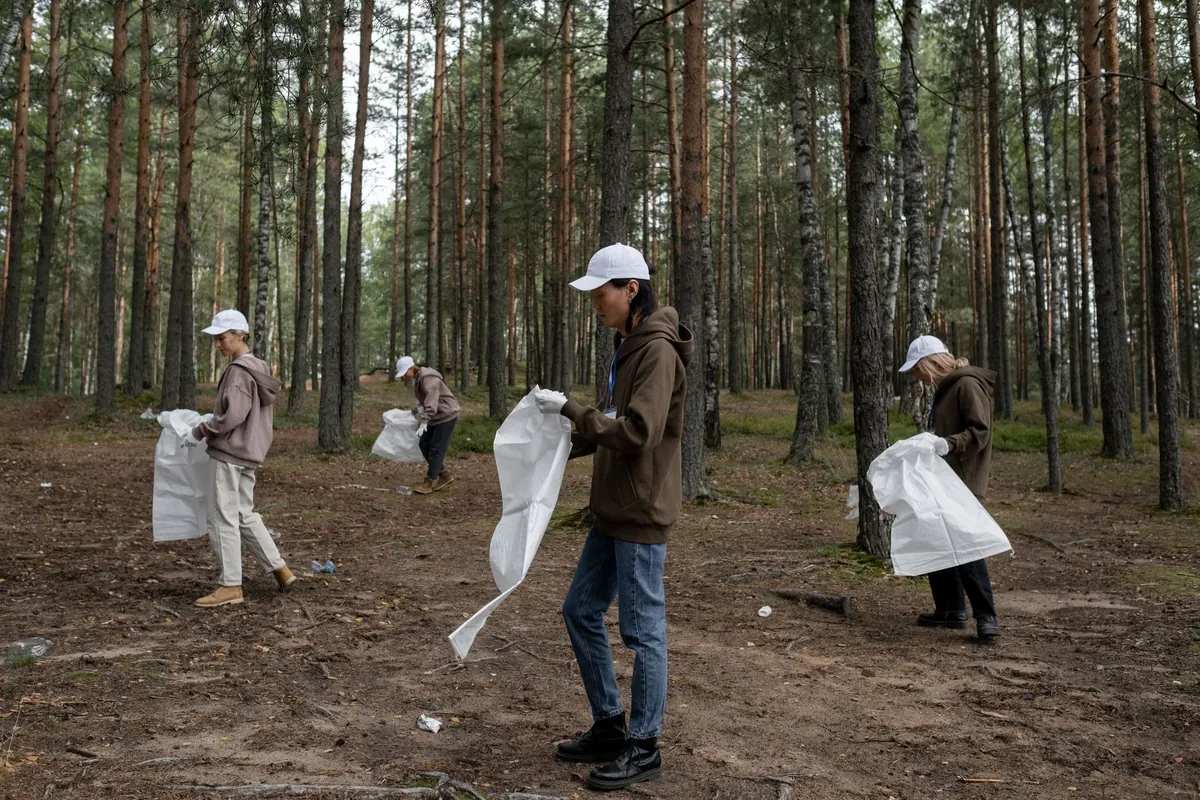
Most volunteering on Merseyside happens in small groups with modest budgets and no recruitment team: a food bank, a community garden, a youth club, a coastal clean-up. Those groups don't need a superhero. They need someone who turns up when they said they would, knows what they're doing, and speaks up early when something changes.
So pick one thing. Ask the awkward questions before you start. Give it a term, then decide honestly what you can sustain. If the first placement isn't right, try another. That isn't failure; it's how most people find the role they end up keeping for years.
Photo: Ron Lach / Pexels
Related Articles